BEHIND THE BUILD: REFLECTION WINDOW + WALL
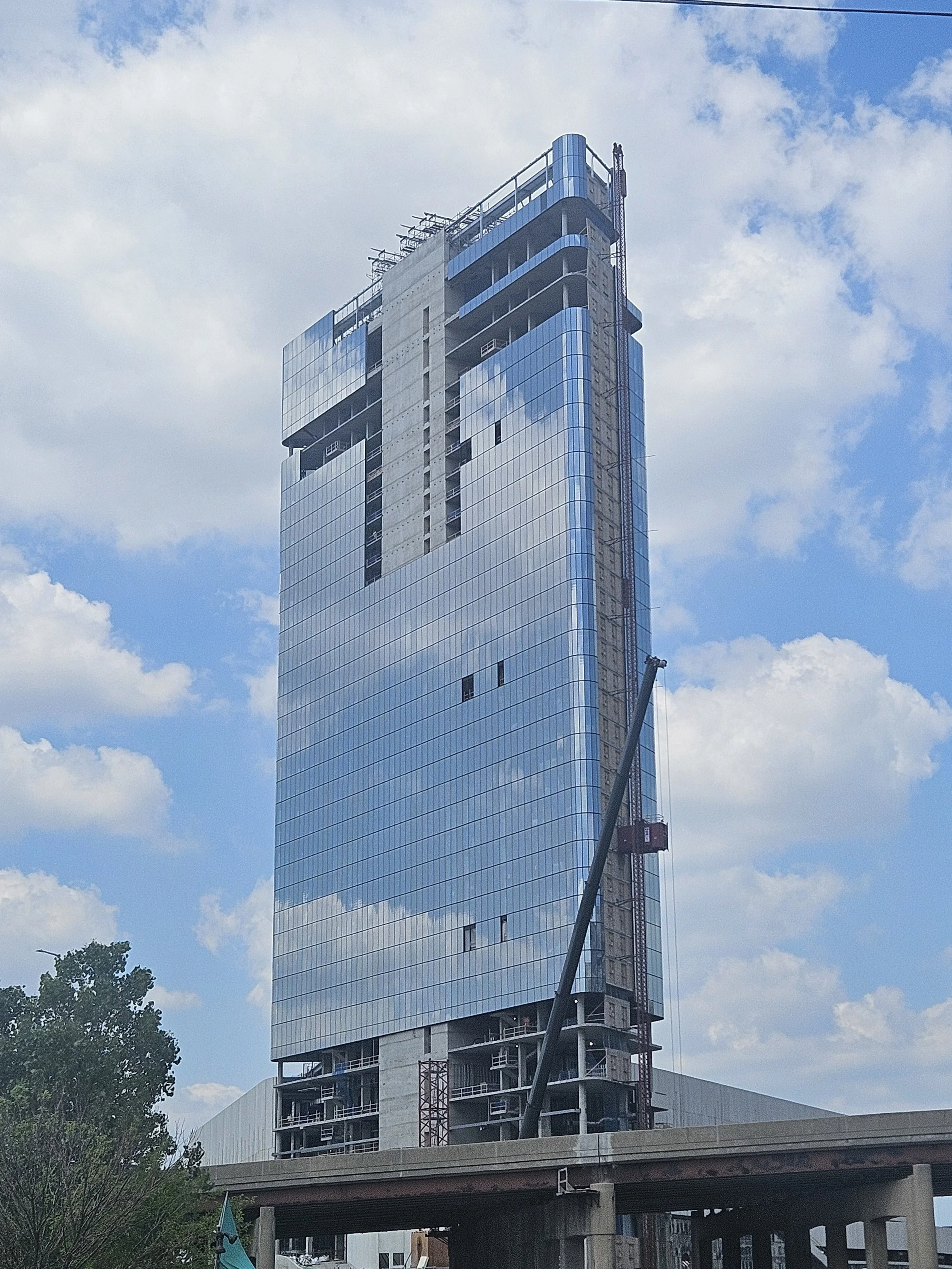
When Chicago selected Bally’s to build its world-class casino and hotel, the vision extended far beyond entertainment. The project set out to reflect the city itself—its people, its neighborhoods, and its commitment to inclusive economic growth. To bring that vision to life, Bally’s selected the Chicago Community Builders Collective (CCBC), an eight-firm joint venture built on collaboration, equity, and community representation.
As one of the largest construction joint ventures in Chicago’s history, CCBC was built with a majority of minority- and women-owned partner firms. That intentional structure creates real opportunity—opening doors for diverse small businesses to participate in a mega project, scale their operations, and build lasting talent pipelines.
The “Behind the Build” series highlights the individuals and companies that are helping to make the Bally’s Chicago Casino project a beacon of inclusion and partnership, like Reflection Window + Wall.
Rodrigo d’Escoto says he got a feel for the construction industry simply by being around it. His father owned an engineering and construction management company. As a teenager, d’Escoto tagged along to meetings—often driving his father and quietly observing how projects, people, and decisions came together.
After working with a private healthcare company in California, d’Escoto returned to Chicago and found his way into a highly specialized corner of the construction industry: glass and enclosure systems. In 2001, he founded Reflection Window + Wall.
Today, the company delivers highly technical façade systems that shape the performance, efficiency, and aesthetics of modern buildings. What began as a small entrepreneurial venture has grown into a full-service partner—designing, engineering, manufacturing, and installing enclosure systems for complex, high-profile projects—with projects worldwide.
At the center of that growth is d’Escoto, who has helped build Reflection Window + Wall into a leader in glass and enclosure systems. In this Q&A, d’Escoto and Executive Director of Project Management Dustin Plutzer share Reflection Window + Wall’s origins, the company’s role on the Bally’s Chicago Casino project, and what makes that work both technically demanding and deeply rewarding.
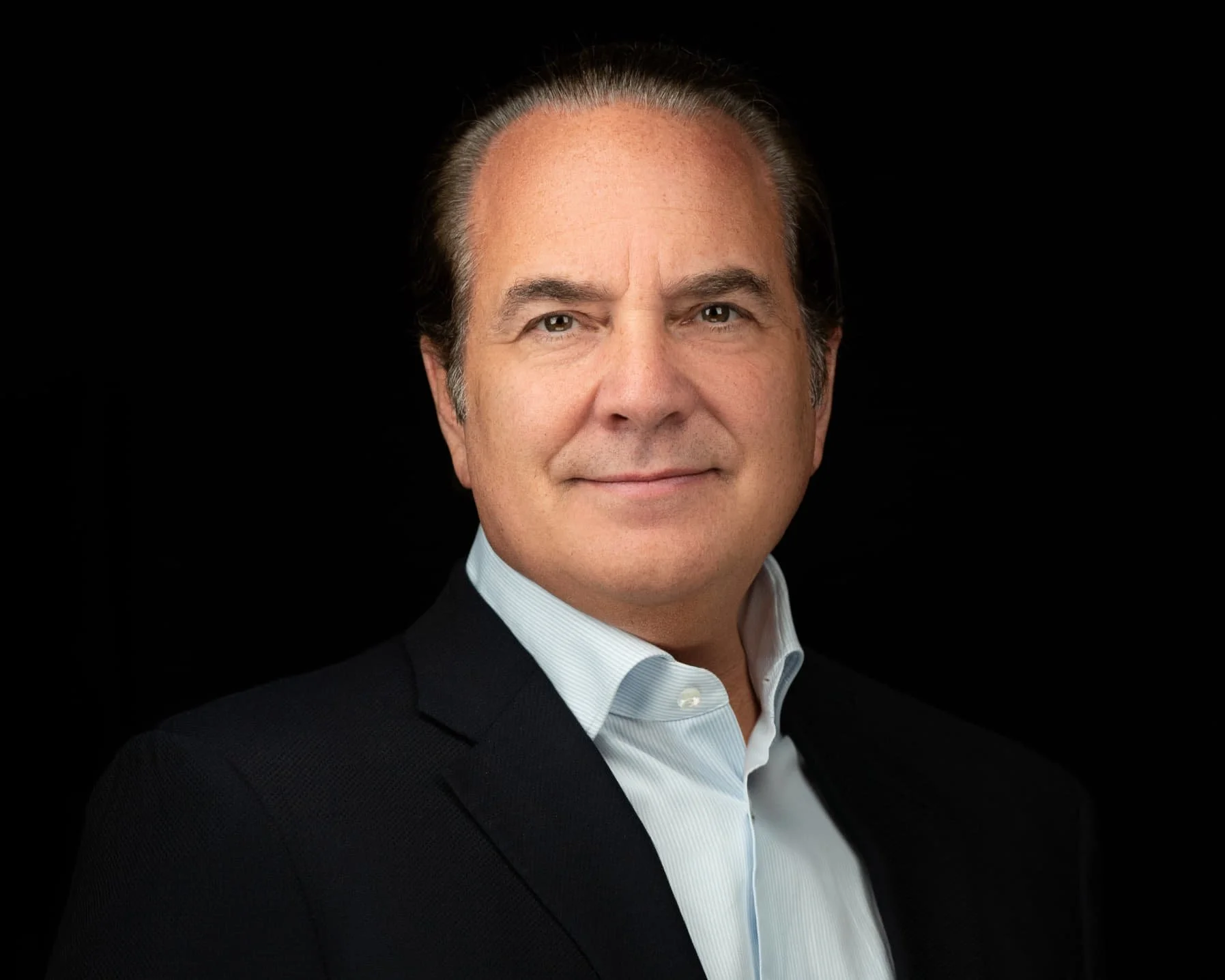
Rodrigo d’Escoto
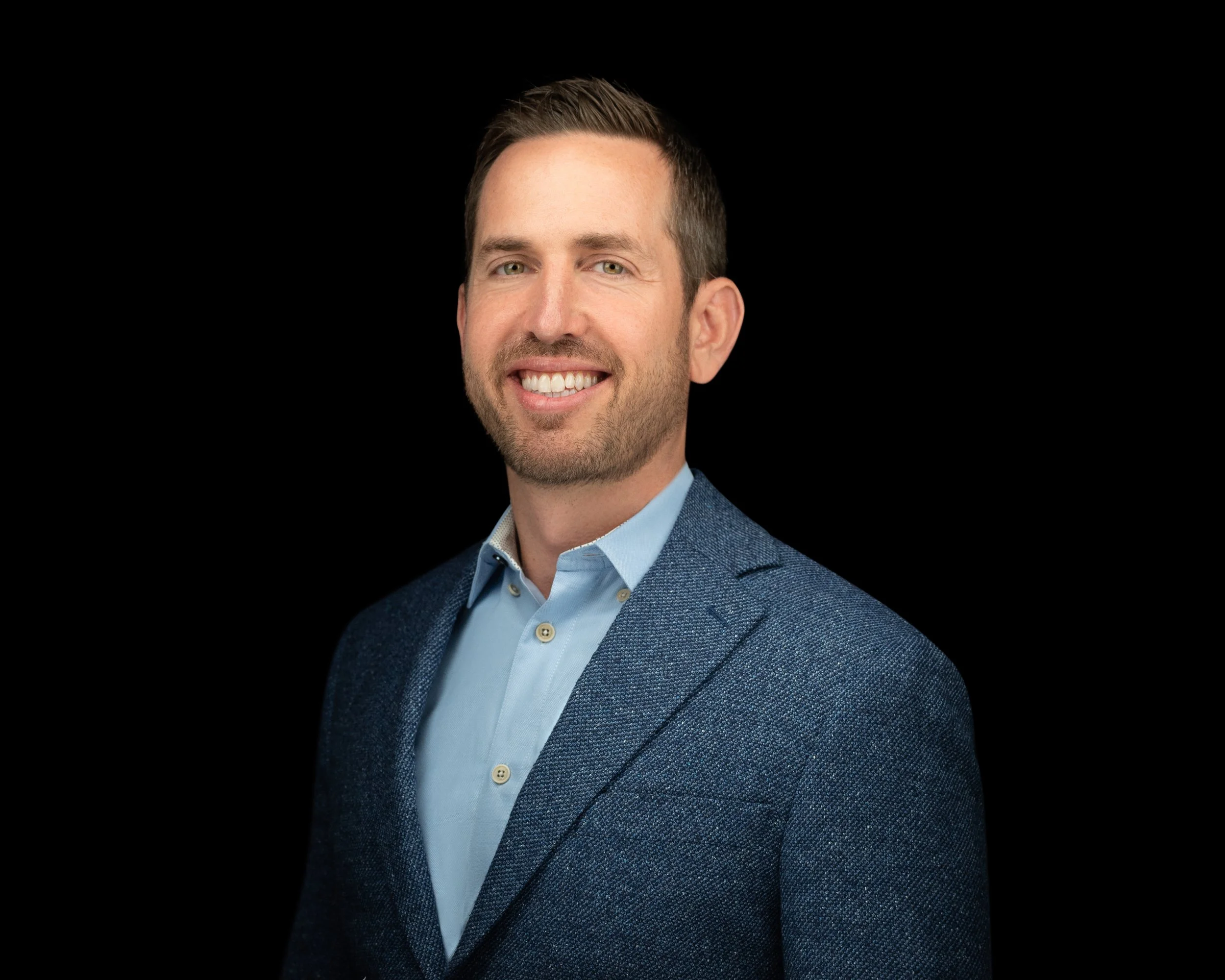
Dustin Plutzer
How did you end up in such a niche area of construction?
Rodrigo: Around the time I moved back to Chicago, the city secured about $500 million to improve or build new schools. That public investment helped create an opening for me to move into windows and building enclosures. I didn’t know anything about the window business. All I really knew was how to make a friend and sell. From there, I learned everything the hard way.
How did you get the business off the ground?
Rodrigo: We started off doing punch windows. Over time, the market shifted. People wanted to see more glass in buildings, which changed everything. We moved into window wall systems that span floor to ceiling—because designers were pushing for that look. For 23 years, I worked with manufacturers in Asia to make our curtain wall and window wall system, which is a very different product. Curtain wall hangs off the slab; window wall interacts differently with the structure.
It was rough at first. We were designing here, manufacturing somewhere else, and installing back here. Over time, I put together a great team, and we started making our own product. We still make punch windows, but the business has gotten far more complex and integrated.
How has your business model evolved as projects have become more complex?
Rodrigo: Years ago, architects would draw exactly what they wanted and hand us a pretty complete design. Now, more often, we’re brought in earlier with a conceptual design and asked, “Can you give us something like this that will work?” That’s where we come in as a design-assist partner. We operate on a model of “mass customization.” We start from a standard system and then customize it for each building, creating hybrids that meet the design intent without reinventing the wheel.
What work are you performing on the Bally’s Chicago project?
Dustin: We’re responsible for the hotel enclosure for all 35 floors. Part of the hotel is integral to the podium—a portion of the casino that’s not strictly “hotel”—and we’re handling the tower plus the small section that ties into that podium.
From a technical standpoint, the top of the house—the façade that extends above the roof level—is a unitized curtain wall, a glass wall that hangs off the slab edge and performs as the primary environmental barrier for the building. The entire hotel is essentially a glass enclosure.
Has your team grown as a result of the Bally’s Chicago Casino project?
Rodrigo: We’ve grown steadily over the years, and the Bally’s Chicago project has definitely contributed to that. To fulfill our scope, we hired about 25 additional people.
Dustin: Of the 25 we’ve hired, 15 are City of Chicago residents. Local hiring goals exist for a reason, and we take them seriously.
What makes the Bally’s Chicago Casino project stand out?
Dustin: First, the schedule. It’s a fast-paced project, and that pace influences how we plan and execute our work. Second, the design-assist has been extensive. We’ve worked hand-in-hand with the design team to translate a bold architectural concept into a buildable, high-performance façade system. On top of that, the bird-friendly glass requirements are not just a code obligation here; they’re a core design element. Chicago and other cities now require bird-friendly glazing patterns, and on many projects those patterns are minimized. At Bally’s Chicago Casino, the team intentionally integrated the bird-friendly glass into the design of the tower.
What type of testing and quality control do your window and enclosure systems go through?
Rodrigo: It starts well before anything gets to the job site. We do visual mockups and full performance mockups. Those are built, installed, and tested specifically to validate system performance—air, water, structural, and sometimes thermal and acoustic metrics as well.
Dustin: Beyond mock-ups, quality control is multi-layered. The architect and owner’s representatives are regularly walking the job. Our own teams are inspecting in the factory and in the field. It starts with the glass manufacturing process itself: we check the glass when it arrives. If something is wrong, we catch it early.
What has it been like working with the CCBC team on the Bally’s Chicago Casino?
Rodrigo: It’s been great! CCBC is very sophisticated, and they've taken the time to understand our business. I also appreciate that they focus on creating meaningful opportunities for multiple subcontractors. There’s grace in that approach, and it aligns with how we try to do business.
What does it mean to you and your company to be part of the Bally’s Chicago Casino project?
Rodrigo: It means a lot. Our success here has already created opportunities elsewhere. We’re now building casinos in New York and bidding on three more casinos in another city.
What impact do you hope the Bally’s Chicago Casino project will have on the city?
Rodrigo: I hope it drives tourism and activity. If that happens, it can have a positive impact on local businesses, tax revenues, and the overall energy of the city. From our perspective, contributing to that kind of catalytic project is something we’re proud of.