

Women in Construction Week: CCBC Celebrates the Women Building Bally’s Chicago
Construction demands grit, resilience, and teamwork, whether you’re in the field or leading from the office. Every day at the Bally’s Chicago Casino project site, women across disciplines bring those qualities and more to the work.
During Women in Construction Week (March 1-7), and as we kick off Women’s History Month, the Chicago Community Builders Collective (CCBC) is proud to recognize the talented women helping to bring this transformative project to life.
From technical engineering and quality control to project leadership and field coordination, these women represent the strength, expertise, and determination shaping Bally’s Chicago.
We sat down with several members of the CCBC team to reflect on their journeys, their experience on the Bally’s project, and what this week means to them.
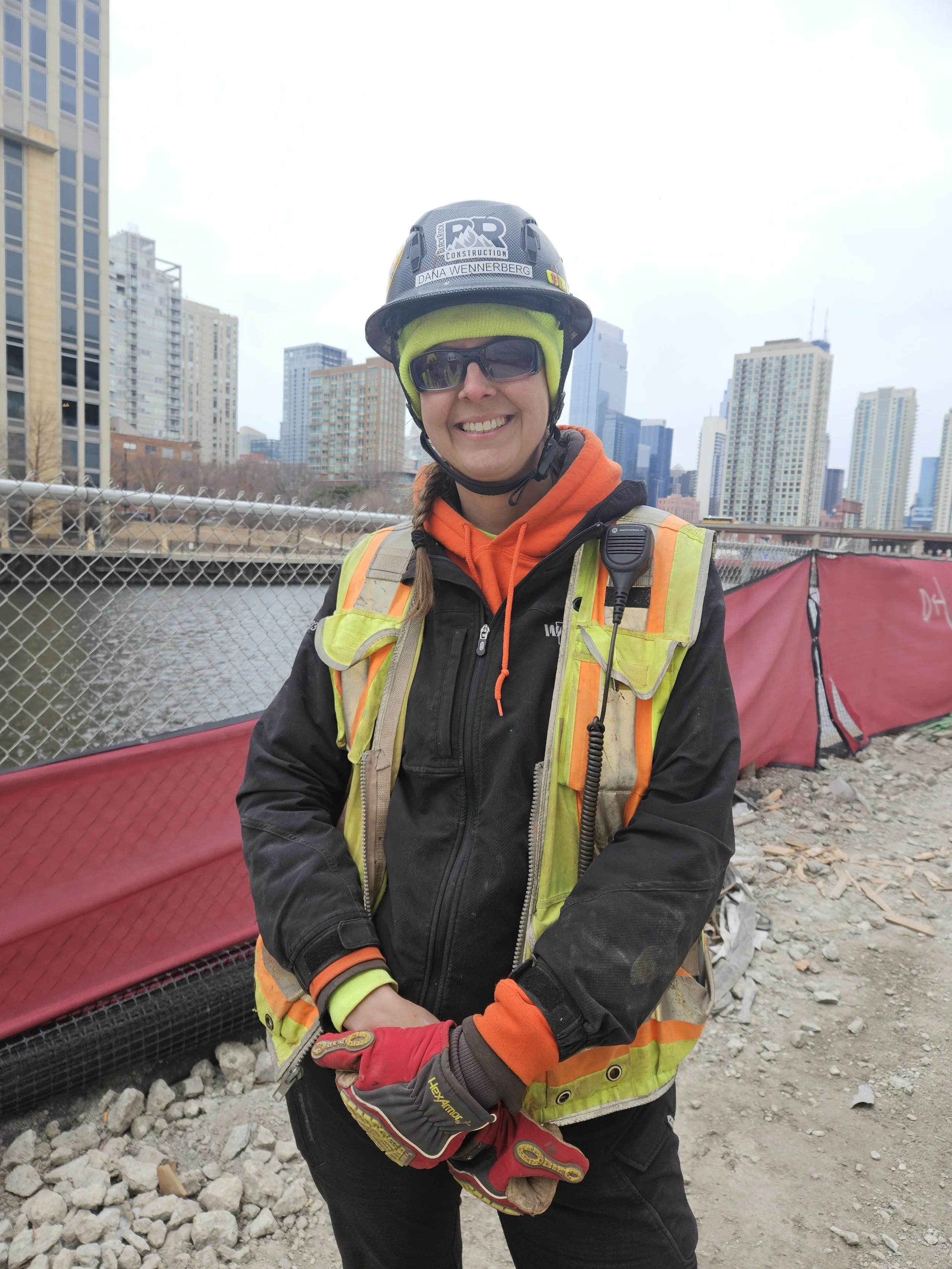
Dana Wennerberg
Technical Engineer Foreman, BlackRock Construction | UA Local 130 Technical Engineering Division
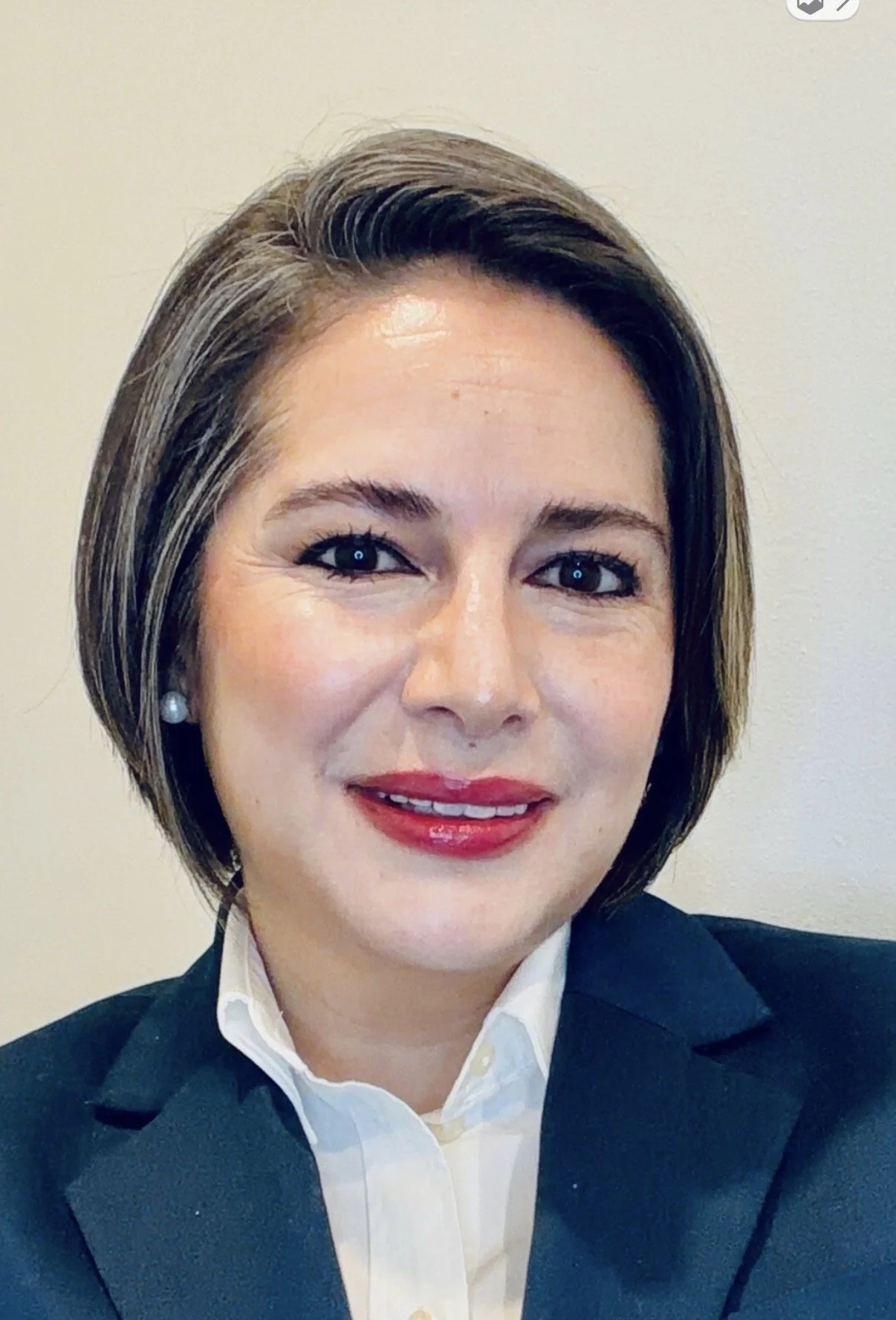
Claudia McKinzie
Quality Control Manager, Chicago Community Builders Collective
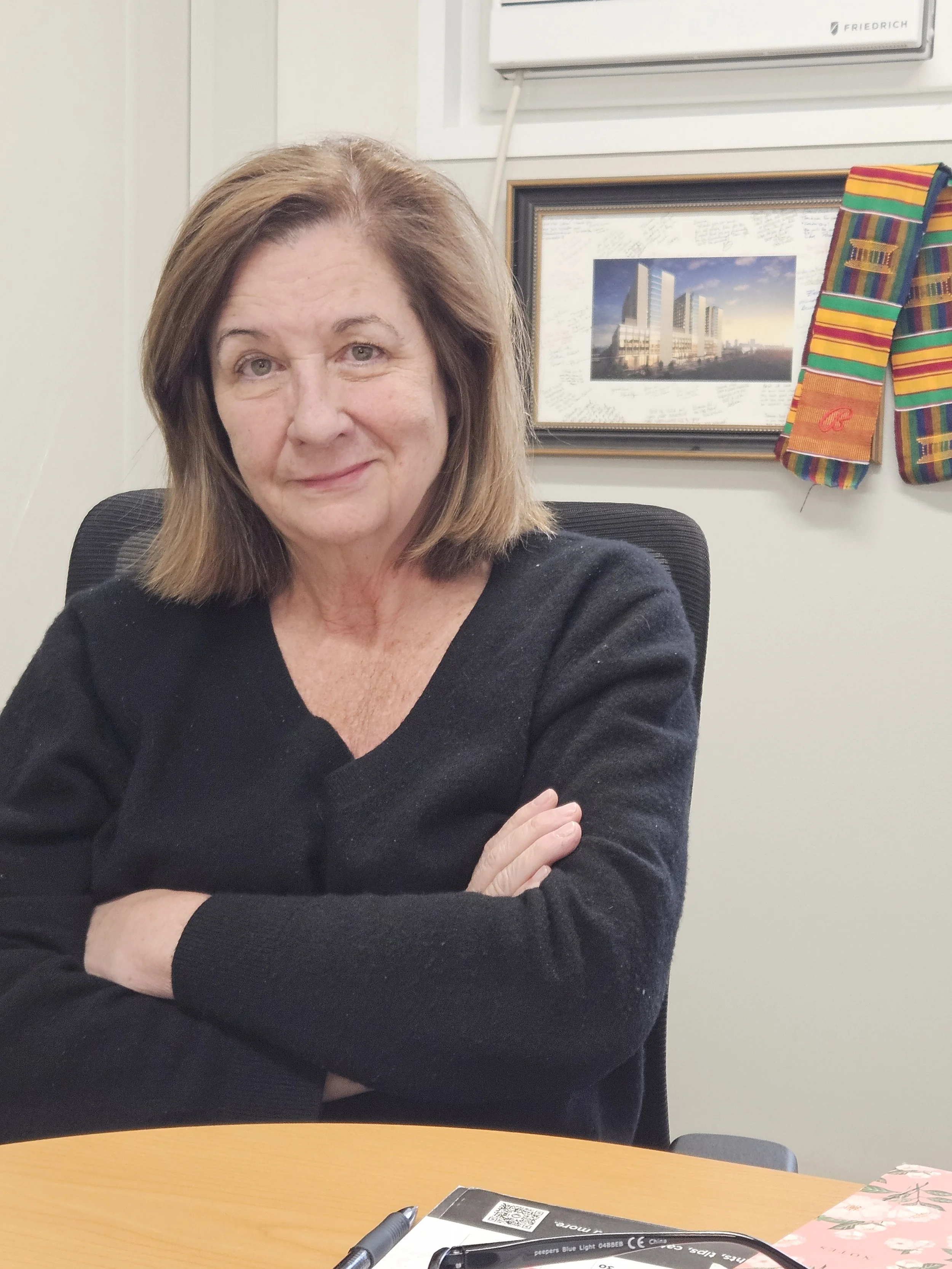
Joanna Kripp
Project Director, Chicago Community Builders Collective
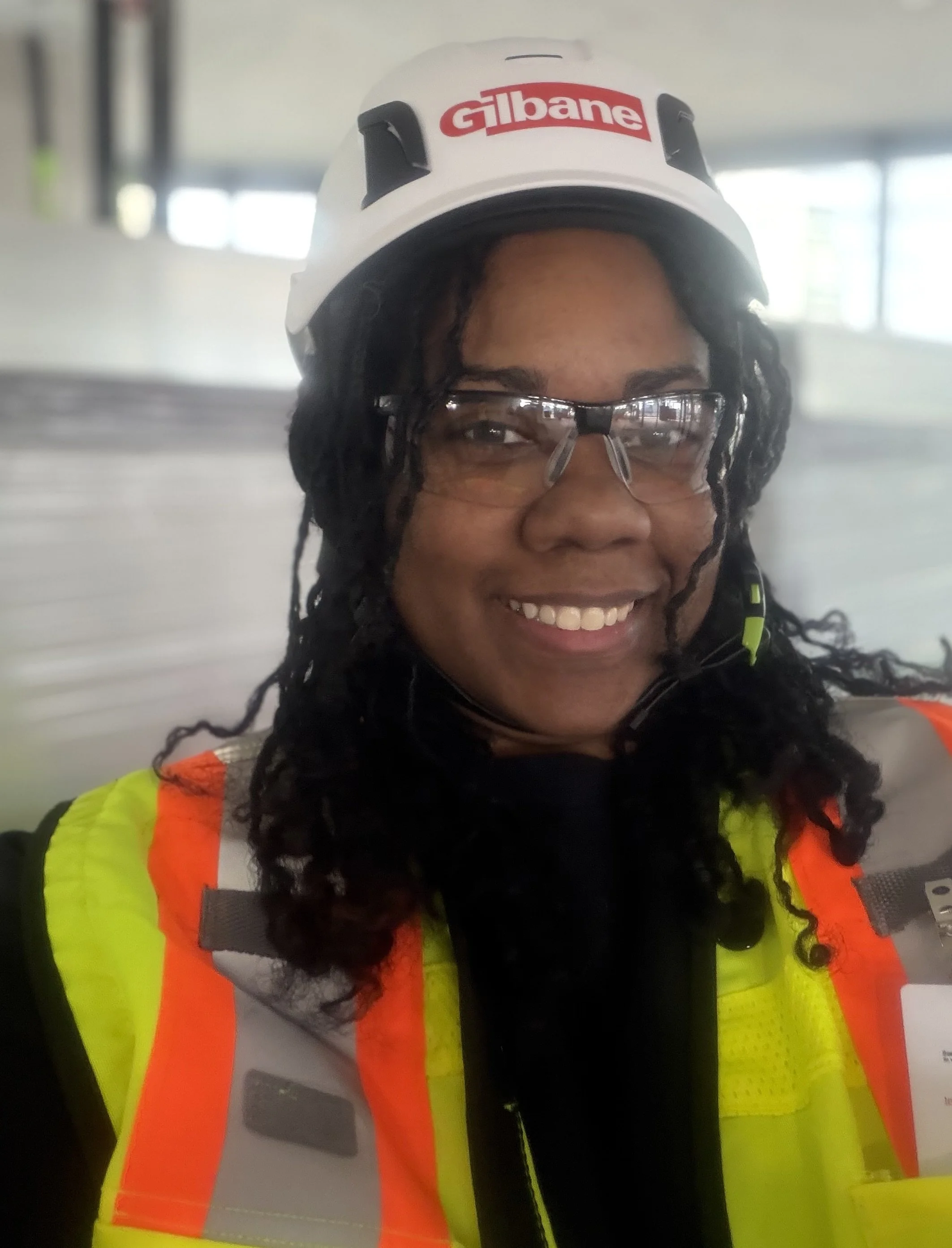
Rachel Robinson-Watts
Project Engineer, Chicago Community Builders Collective
Dana Wennerberg is a Technical Engineer Foreman for BlackRock Construction and a member of Chicago’s Local 130’s Division of Technical Engineers. She is responsible for the layout needed for the concrete pours at the Bally’s Chicago Casino site, translating drawings and blueprints into precise, real, buildable information in the field.
What led you to construction? I grew up in a trade family, my mom worked as an electrician and my sister is a plumber, so I always saw women in hard hats. After a couple of desk jobs, I realized I wanted something more hands-on. I went through a pre-apprenticeship with Chicago Women in Trades (CWIT), like my sister did, and discovered the Division of Technical Engineers. I’ve been in the trade for about five and a half years now and am really enjoying what I do.
What is your day like? Technical engineers are the walking blueprints on site. We handle the layout for other trades, and we’re often the first to catch conflicts between drawings and real-word conditions. It’s our job to spot those issues and help find practical solutions.
What’s your favorite part about the job? I love that the work is both physically and mentally engaging. I’m out in the field, taking measurements and setting points, while constantly problem-solving. It’s a good feeling to be the person people rely on for answers, or at least for a clear path to one.
What advice would you give a young woman who’s interested in construction? My advice is to stick with it. Use resources like pre-apprenticeship and mentorship programs and find community with other women in the field. Showing up consistently is half the battle.
It’s Women’s History Month. Who do you admire? My mom and my sister. They carved out their own paths in the trades at a time when it was even tougher for women. Because of women like them, I get to build my own career in this work and help show that women absolutely belong here.
Claudia McKinzie is a quality control manager for partner firm Gilbane. An architect by training with more than 15 years of construction experience, Claudia brings both design and field expertise to the Bally’s Chicago Casino project.
What led you to construction? I began my career in industrial construction in Mexico, then later moved to the U.S., starting as a project manager for minority-owned firms before advancing to my current role.
How would you describe the Bally’s project? It’s huge and sometimes overwhelming, but it’s also a place full of learning opportunities from every team and from other women on the site.
What perspectives do women bring to construction? Women bring strategic thinking, strong planning, and attention to detail. As an architect, I'm trained to see both the smallest pieces of the puzzle and the big picture clients care about. That balance is critical on a project of this scale.
What advice would you give a young woman interested in construction? Never give up. Keep showing up, do your best, work with integrity, and value yourself. Be genuine, authentic, and lift each other up.
What woman do you admire in history? I draw inspiration from architect Zaha Hadid and from my aunt, a self-made restaurant owner who has supported her family on her own and has been my strongest source of advice and resilience.
Joanna Kripp is project director for partner firm Gilbane. She joined the construction industry in 1982 and has witnessed firsthand the evolution of opportunities for women in the field.
What led you to construction? I loved math and science and began in electrical and mechanical engineering before becoming a civil engineer. Construction felt like a natural path.
What has it been like for you as a woman in construction? Early on, there were barriers. I wasn’t allowed to go out in the field for a co-op program. The only reason I finally got that opportunity was because a classmate’s father worked on a construction site, and she and I were allowed to go because he was there. That’s how I first got into the field side of construction, which ultimately led me to my role today, in charge of a 500-person workforce—expected to peak at around 1,100—on a project valued at $1.7 billion.
What does it take to succeed in this business? Over the years, I’ve learned that certain qualities really help women succeed in construction: honesty, confidence, knowing your job, asking questions, and above all, working hard. People often assume the physical labor aspect of the trades is what keeps women away, but I don’t think it should. No tradesperson carries a heavy piece of pipe alone; construction is about teamwork. Today, there are far more opportunities for women in the trades.
What do you hope your legacy will be? I hope my legacy is reflected in the people I’ve worked alongside and mentored throughout my career. If I’ve helped someone grow in confidence, stay the course, or see new possibilities for themselves in this industry, that means a lot to me. Years from now, I’d love for people to say, “Joanna Kripp was a great project director who made a difference in my career.” That kind of impact is what matters most.
Rachel Robinson-Watts is a project engineer for partner firm Gilbane. She manages trade partners and ensures work aligns with scope, plans, and specifications.
What led you to construction? I have always liked taking things apart and putting them back together. When I was little, my dad had these supersized Legos, and we would build whole cities around his apartment. Then he’d come through and tear them down like Godzilla. Those days stuck with me.
How would you describe the Bally’s project? Monumental. It is the largest project I’ve been involved in. The teams are huge and the scope is even bigger.
What excites you most about your job? About 80 percent of my job is looking at how something is going to be built on screen or from plans. To then see that 30-plus-story building become a real, functioning space is a surreal experience.
What unique perspectives do women bring to construction? Women will try several solutions to see which one fits and apply that moving forward. We know how to get creative and think through different approaches.
What advice would you give a young woman interested in construction? I know it can feel like you’re inserting yourself into spaces where you might feel uncomfortable, but those spaces need you there. Don’t be afraid to ask questions or to be wrong. That’s part of learning and growing.
