

At the Chicago Community Builders Collective (CCBC), we’re intentional about building a skilled, diverse workforce drawn from communities across our city. We partnered with five workforce organizations that are deeply rooted in Chicago’s neighborhoods and help us identify, train, and support a diverse pipeline of local talent. Chicago Women in Trades (CWIT) is one of them.
For more than four decades, CWIT has been a leading advocate for women’s full participation in construction, welding, and other skilled trades. CWIT combines hands-on training, career counseling, and on-the-job support to help women access and succeed in high-wage, union construction careers that at one time excluded them.
CWIT helps contractors identify qualified women for open positions, tracks women’s participation on site, and addresses on-the-job conditions—down to basics like appropriate restroom facilities—to make sure women are not just hired but able to thrive.
On the Bally’s Chicago Casino project, CWIT’s long-standing mission aligns closely with CCBC’s intentional focus on equitable access. Even before groundbreaking, CCBC brought CWIT and other workforce partners to the table to design a process that would open doors for women and local residents.
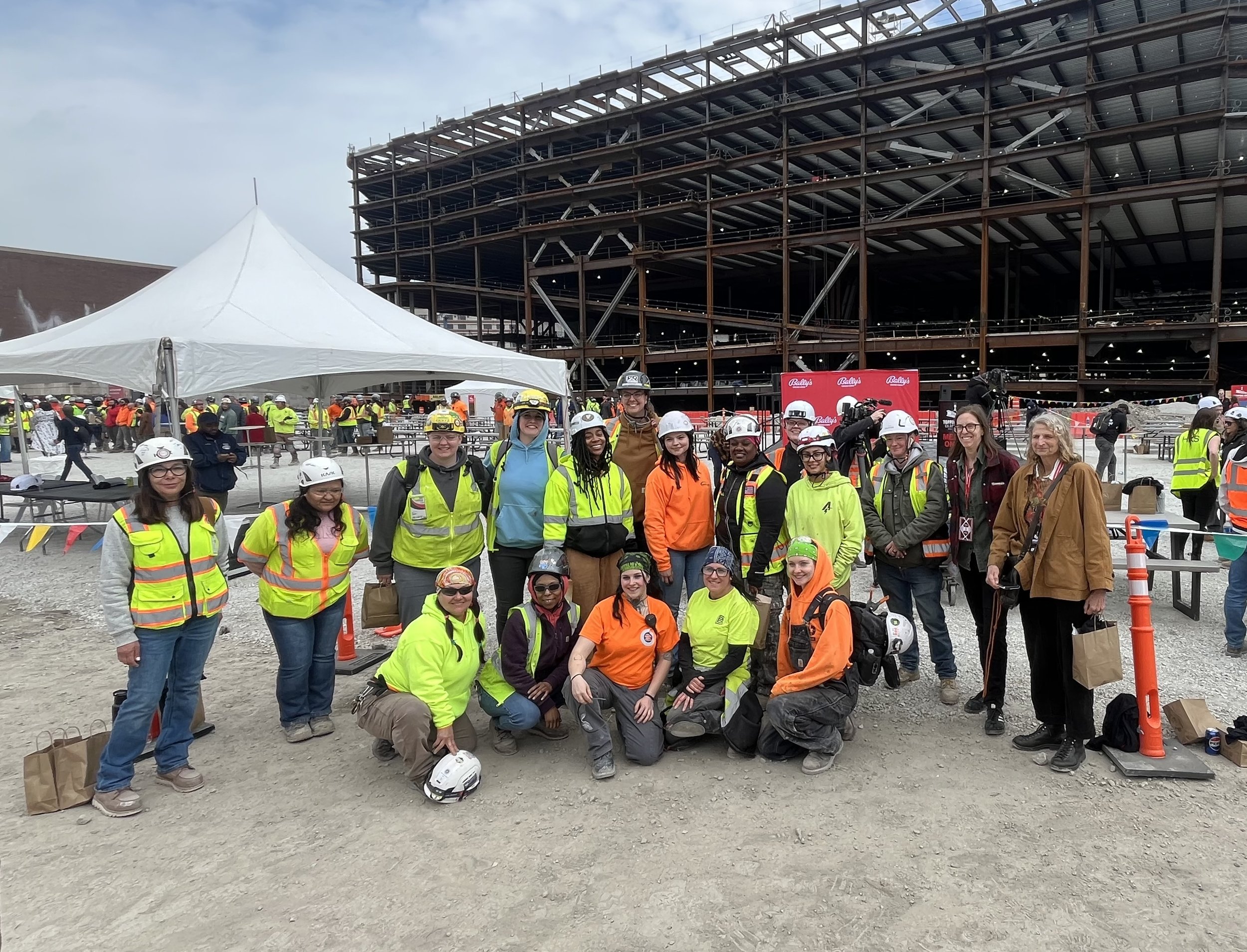
Jayne Vellinga, Executive Director of CWIT, believes their proactive, transparent partnership is helping set a new standard for how major developments in Chicago can build a diverse, community-centered workforce from the very start.
“Our role on this project is to ensure that women have the opportunity to work on it,’ Vellinga said. “We monitor how many women get opportunities on the site, work with contractors to source women for available positions, and provide support for women on site to help ensure equitable working conditions. An equitable number of bathrooms on the jobsite are just one example.”
Cynthia Howard can attest. The journey laborer, who entered the trade through CWIT 14 years ago, scans trade workers’ badges on the Bally’s Chicago Casino site. She said she has never seen so many tradeswomen working on the same job site.
“That’s the type of project I like,” Howard said. “On most projects, I have been that one woman. To have as many as 30 women working on a project—electricians, plumbers, carpenters, laborers—that’s awesome!"
Howard and Vellinga share their thoughts on the partnership and what can happen when every player on the board is intentional about sharing opportunities.
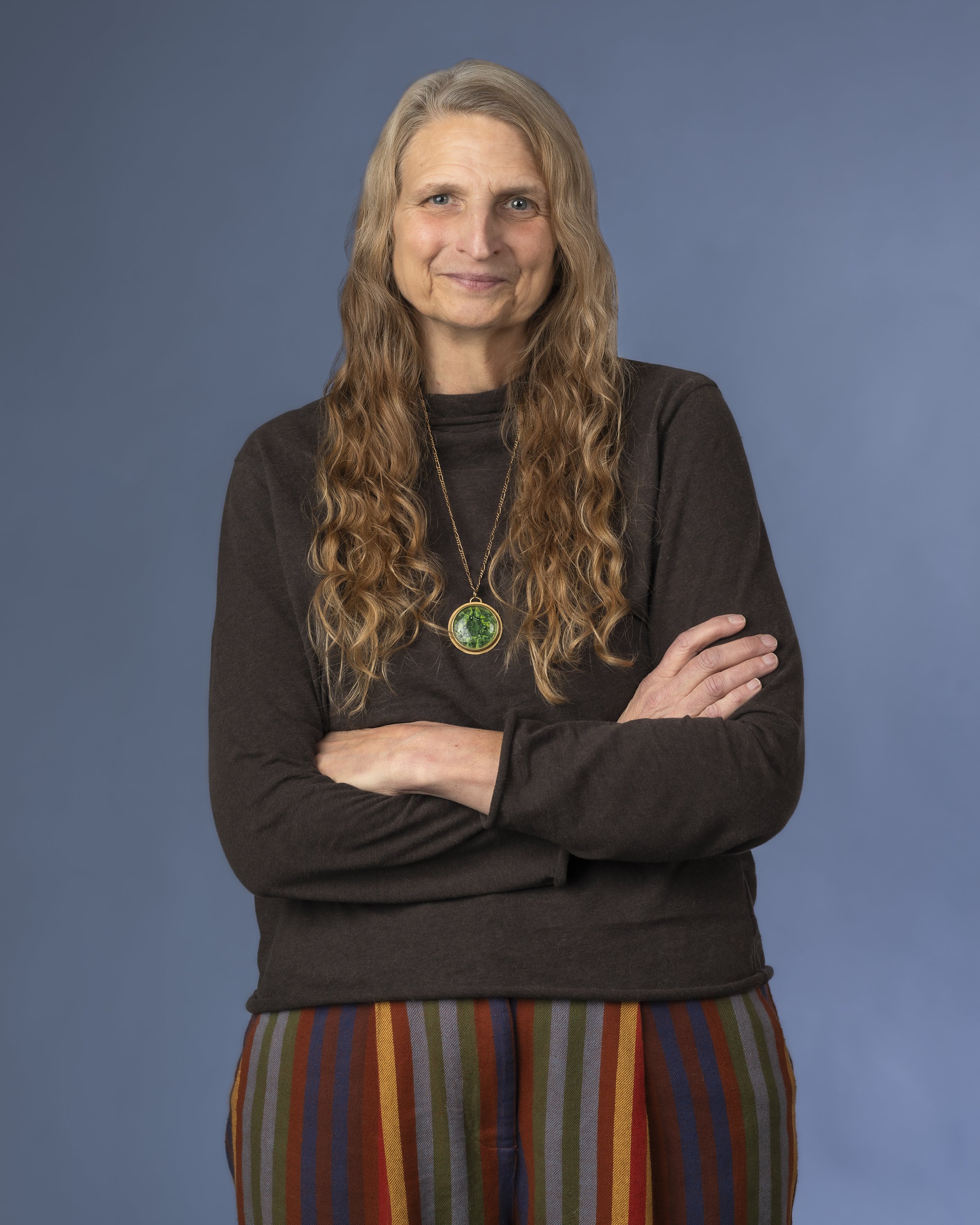
Jayne Vellinga
Jayne, what do you think makes this partnership successful?
CCBC has a real commitment to achieve the goal. The extent to which they’ve tried to hold contractors accountable for having a diverse workforce has been very admirable. The building blocks are in place, in terms of the process and the parties at the table. We’ve been able to send some great candidates over, and I feel CCBC and the other workforce providers are giving contractors ample support in meeting their goals. We’ve had the chance to meet with many contractors before they came onto the site, and it’s been a pretty transparent process.
Why does representation of women in the trades matter on a project of this scale?
Jobs dominated by men pay more than jobs dominated by women, even when the entry requirements are the same. In middle-skill jobs that don’t require a college degree, women are really disadvantaged when it comes to earning a family-sustaining wage. The world has changed a lot. Women have the same financial responsibilities as men, if not more, and they need the same opportunities.
Is there anything else you’d like to share about the partnership with CCBC?
A lot of well-intentioned people worked hard to create a system that could be effective as a pipeline for community residents to these jobs. I would love to see other projects expand on this idea and think about how to improve it. I do think the building blocks are in place. This model should continue on other big projects that come to this area, especially projects supported by taxpayer dollars.
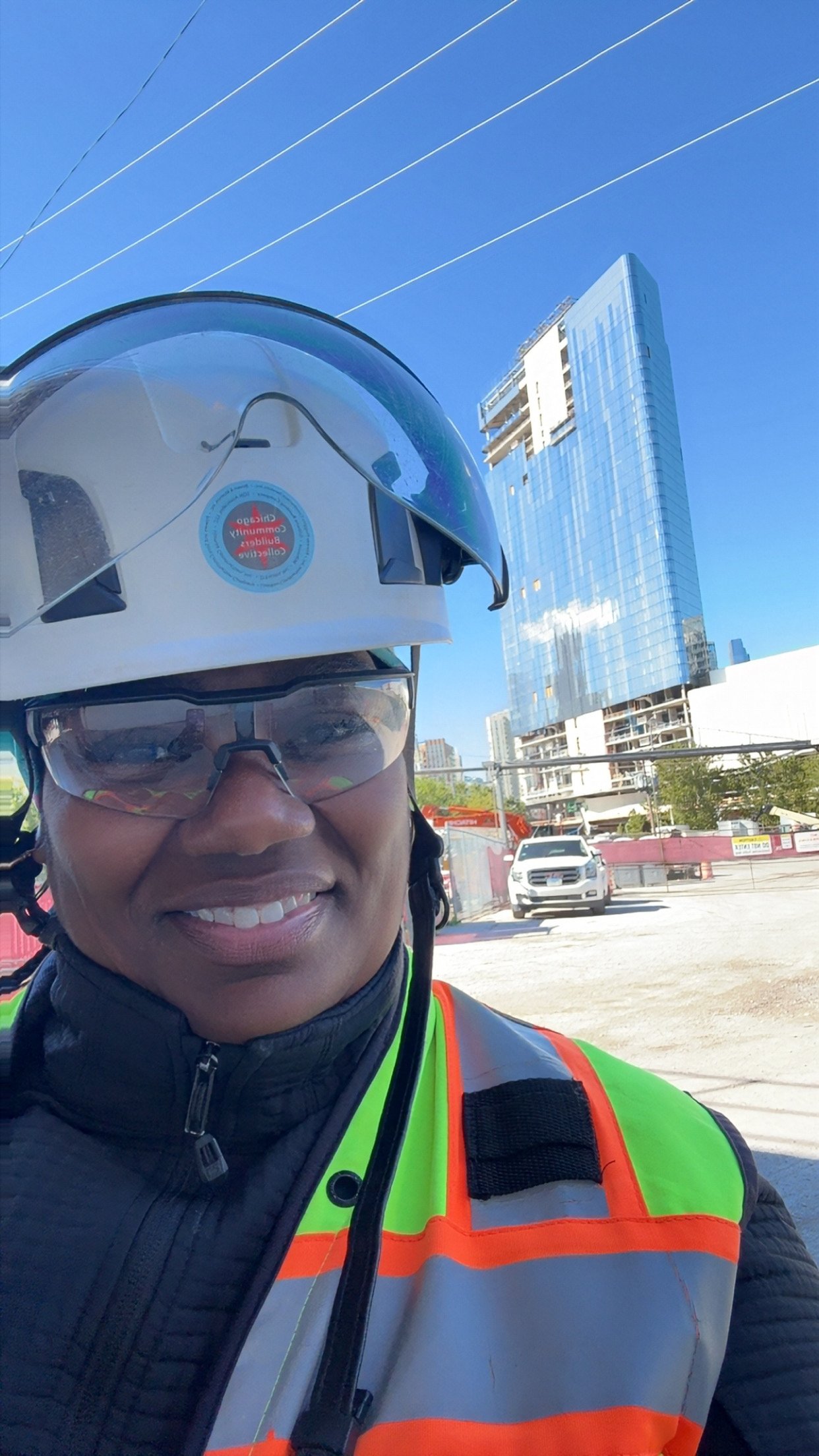
Cynthia Howard
Cynthia, what first got you interested in the trades?
I’ve always loved working with my hands—taking things apart, fixing them. My dad did that kind of stuff too, and I picked it up from him.
How did you first connect with CWIT, and what has it meant to you?
I used to volunteer for CWIT, which has helped me get jobs and showed me what to do as far as being in the trades.
What stands out about working on this project under CCBC?
They’re very professional. Working on the Bally’s Chicago Casino project, we face challenges and get a different perspective every day. But we come together as a whole to get things done. Each of us plays an important role—working toward one goal. I’m grateful for the knowledge and dedication everyone brings to the Bally’s project.
What has working on the Bally’s Chicago Casino project taught you as a woman in construction?
It’s taught me strength and patience. CCBC is more than just following rules—it’s about making sure everyone goes home safely. I’m passionate about safety. I’m going to stop the work and say something, especially if it could potentially hurt or kill someone. I’m studying to be a safety engineer and plan to take the test soon.
Do you have any advice for women who want to work in construction?
Don’t count yourself out because of your size or your fears. You belong here. Get connected with organizations like CWIT, find mentors who will support you, and don’t be afraid to speak up—especially about safety. You can do this!